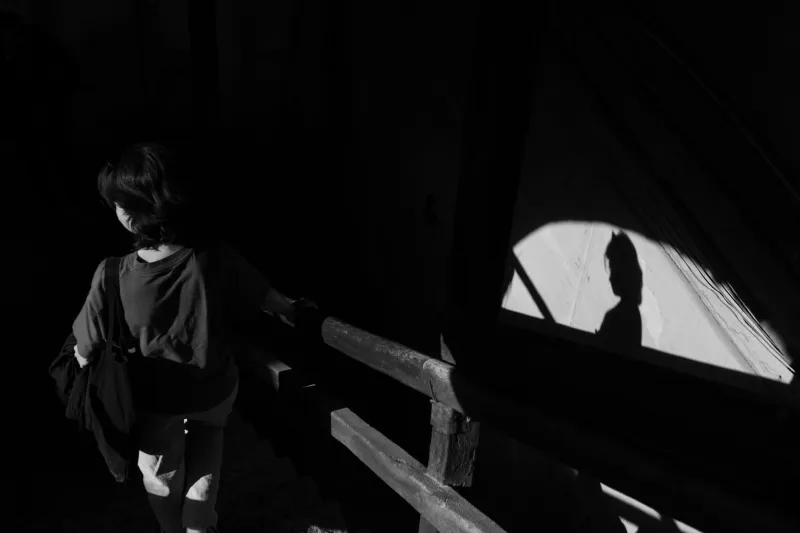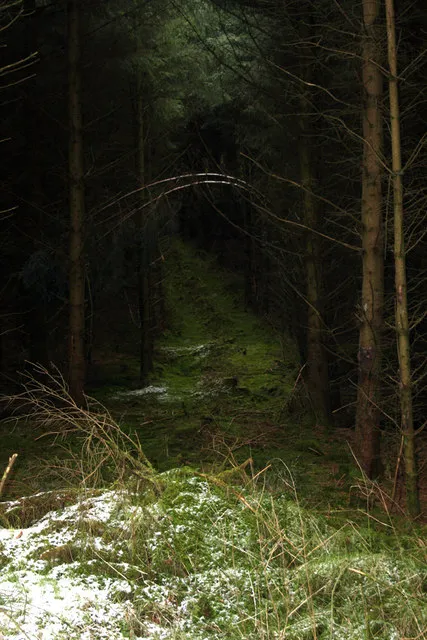
Waxing Lyrical: The Case Against Showroom Candlelight
British period dramas love a candlelit room that looks like a furniture showroom: warm, even, and completely implausible. It is time to let the wax do its worst.
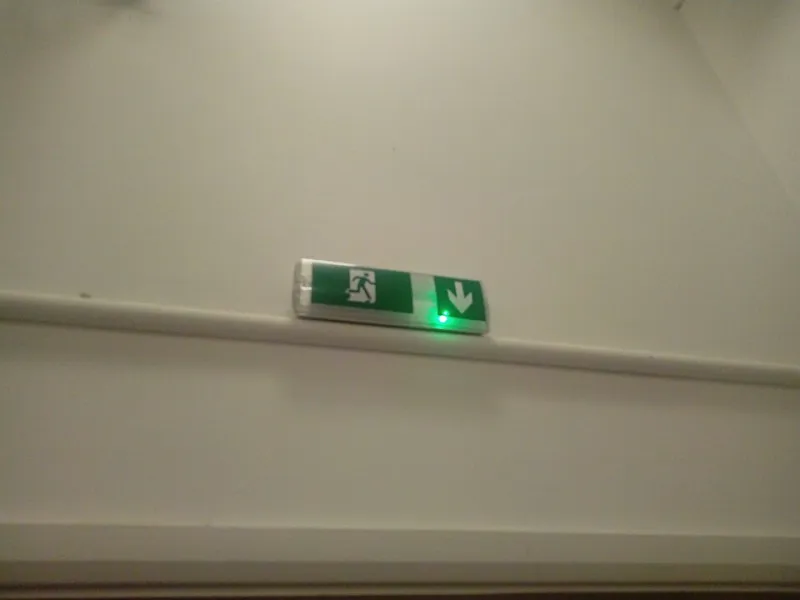
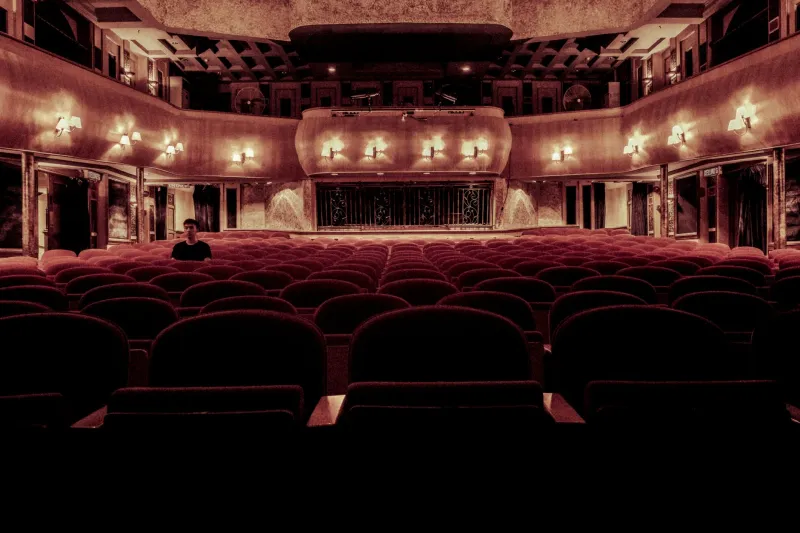
Cinematic stories in shadow and light
British period dramas love a candlelit room that looks like a furniture showroom: warm, even, and completely implausible. It is time to let the wax do its worst.
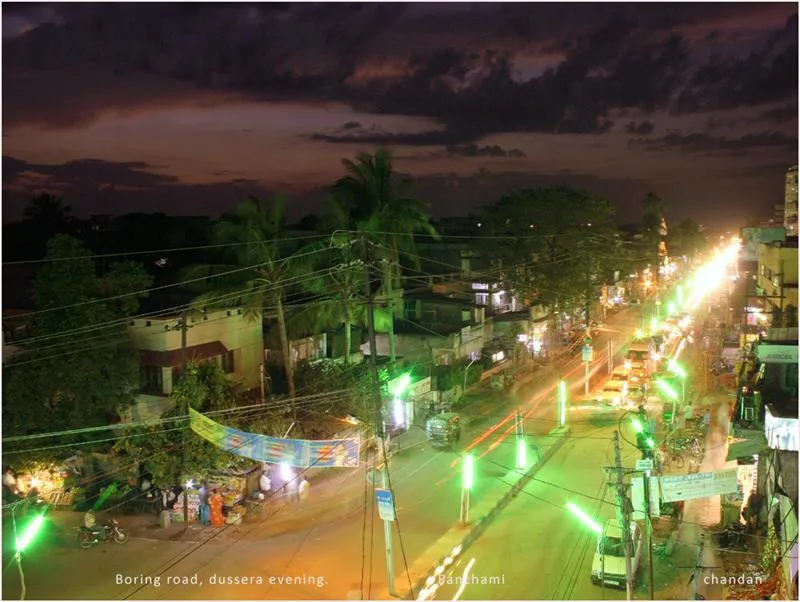
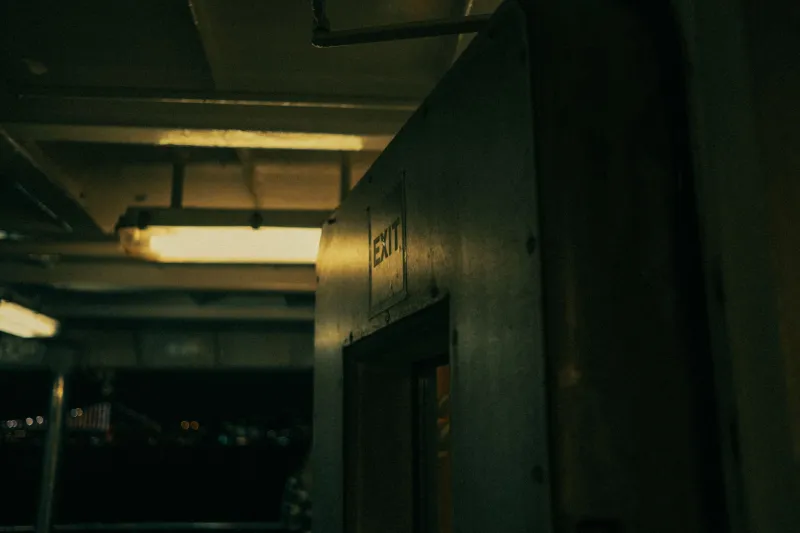
The emergency exit sign is the most reliable light source in British cinema: legally required, faintly ridiculous, and weirdly beautiful when it lands on the right face. We look at five films where the green running man quietly steals the scene.
Fluorescent tubes are the unofficial light of British institutions: offices, hospitals, schools and council buildings. We look at why their flicker, colour and coldness keep pulling British cinema back into their glare.
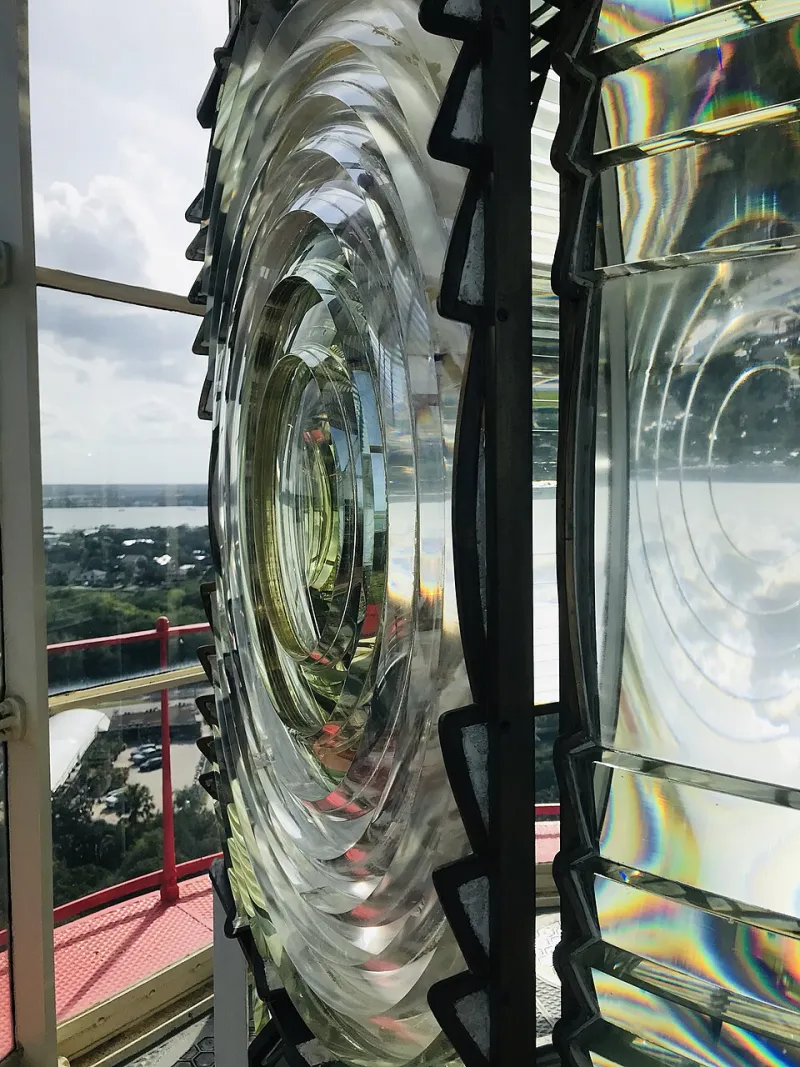
Britain’s working lighthouses are not floodlights. They are clocks made of glass, and their real gift to cinematographers is the darkness between flashes. A visit to preserved optics, and a word with the people who shoot on the coast, suggests the industry still has a lot to learn from the long wait.
A look inside the small, disciplined lighting culture of UK projection booths—torches, port glass, cue dots and dimmer boards—and why the people who run them are some of Britain’s best teachers in cinematic restraint.
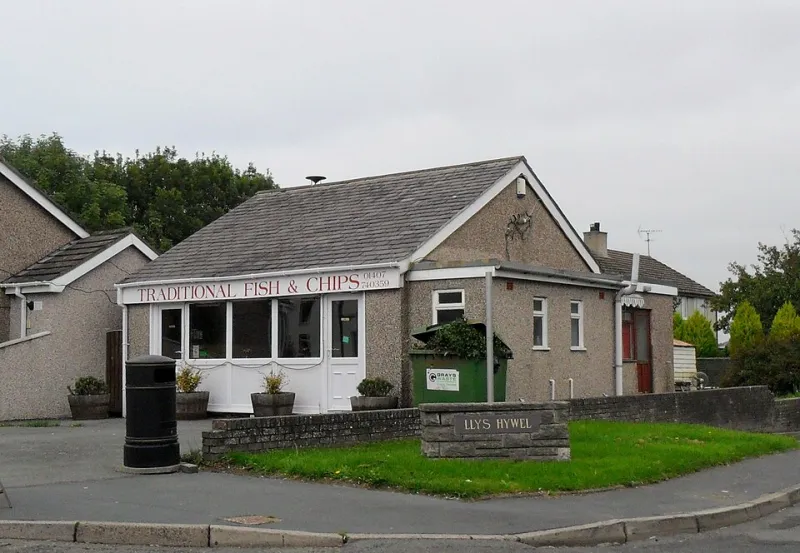
Green-white tubes, steamed-up glass and a queue that never quite ends — the British chip shop is a lighting rig nobody designed. We look at why filmmakers keep returning to it, why it's so hard to fake, and how to shoot it without turning your social-realist drama into a battered sausage advert.
Blackpool’s Illuminations are usually talked about as spectacle. Off-season, with the wind up and half the bulbs blinking, they become something more useful: a working lesson in coastal light for filmmakers and photographers.
British summer light is beautiful, stubborn and deeply unhelpful when your script calls for midnight. We look at the practical craft of day-for-night, from ND filters and exposure tricks to the low-budget features still borrowing darkness from a 10pm sunset.
A twenty-minute pause in the middle of a three-hour film used to be standard British practice, then it vanished. In 2026, independent venues are quietly trialling it again — and discovering that the break isn't an interruption to the atmosphere, it's a second helping of it.
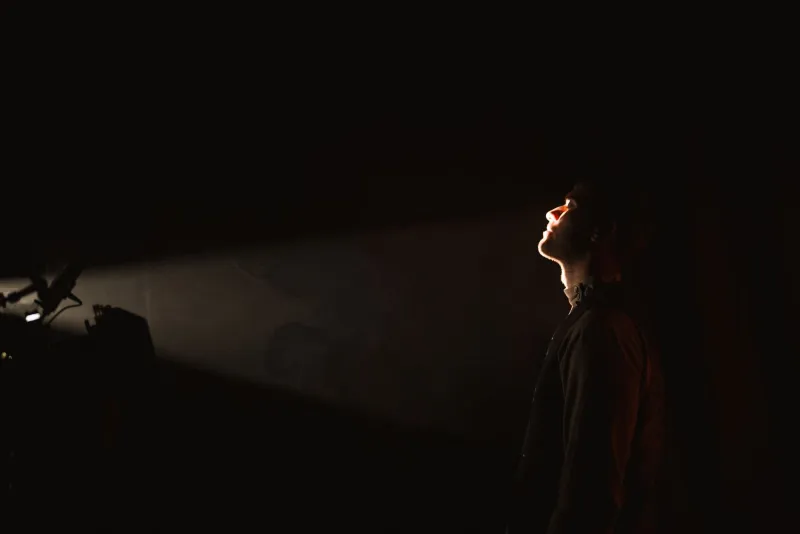
A lamp under the chin, a fire at floor level, a streetlamp through a basement grate: British films keep lighting faces from below because it makes them look guilty, exposed or dangerously powerful. This is a craft guide to the low source — and to the moment it stops being drama and becomes a ghost train.
British filmmakers have long understood that the most cinematic lamp is often the one just outside the frame. From post-war noir to the moodier corners of 2026 drama, implied light does more than a visible source ever could.
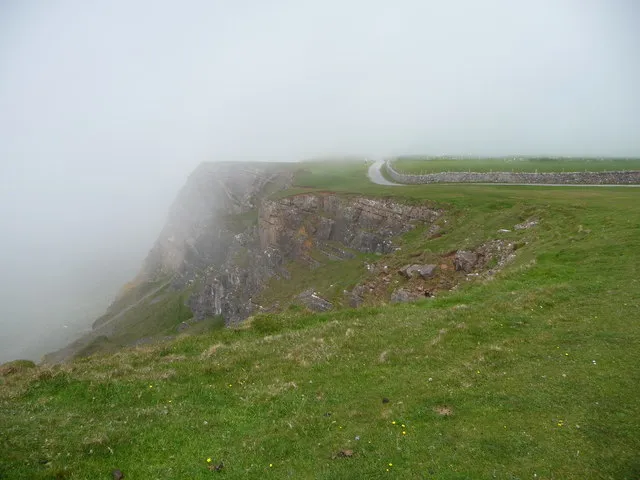
British fog is not just weather; it is a lighting rig the size of a county. This is how directors and gaffers use mist to soften shadows, hide horizons and make dread out of grey — and why digital de-hazing risks rubbing away a national texture.
A net curtain is rarely just a net curtain in British film. It is a diffuser, a disguise and a small act of surveillance — and it costs less than a decent lamp. Here is how lace, nylon and vertical blinds shape shadow on screen, plus a practical guide for filmmakers working with domestic textiles.
A fridge door left open, the blue dot on a kettle, a phone face-up on a duvet — the lights nobody rigged are showing up in British films again. In 2026, a new wave of DPs is learning that the accidental practical can do more for a scene than a van full of lamps, if you know when to leave it alone.
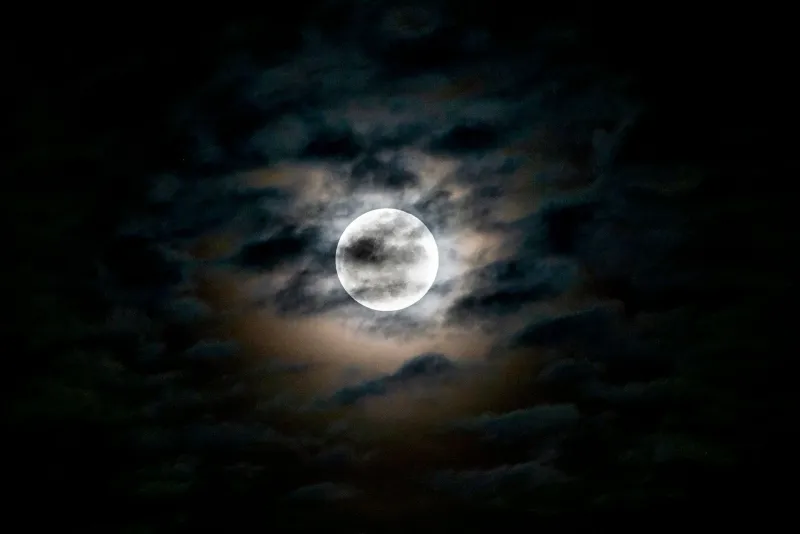
British cinema has always treated moonlight as more than a light source: it is a mood, a threat, a memory. We look at the practical tricks behind the country’s most haunting lunar scenes, and why the moon remains the great unreliable narrator of the British night.
Behind every convincing night on a British stage or set there's usually someone with a brush, a sponge and a bad back. We went looking at the paint frames and scenic workshops that still fake the light — and found five techniques that hold up better on camera than anything a grade can do.
In studios from a converted mill outside Hebden Bridge to a shared bench in Bristol, a small wave of animators is cutting black card and pointing a single lamp through tracing paper. The results are turning up on UK festival programmes and in music videos — and quietly teaching live-action crews a lesson about edges, restraint and letting a shadow do the acting.
Too many British films treat night as a colour grade rather than a place. Day-for-night, flat LED fill and a fear of true black have left us with scenes that look like a wet Tuesday afternoon. In 2026, it is time to let darkness do its job.
A stairwell is never just circulation space in British cinema. From Losey’s Chelsea townhouse to a tower-block chase in Attack the Block, the landing is where class, fear and intimacy are forced into the same few square feet. We pick five scenes and ask a production designer and a cinematographer how to shoot them without losing the shadow.
Blue gel moonlight is a lie, and a cheap one. A location scout's opinionated tour of five UK spots where genuine darkness survives — plus the permits, the kit and the tide tables you'll need to shoot in it.