Half-Lit and Waiting: Why Britain's Cinemas Are Bringing Back the Interval
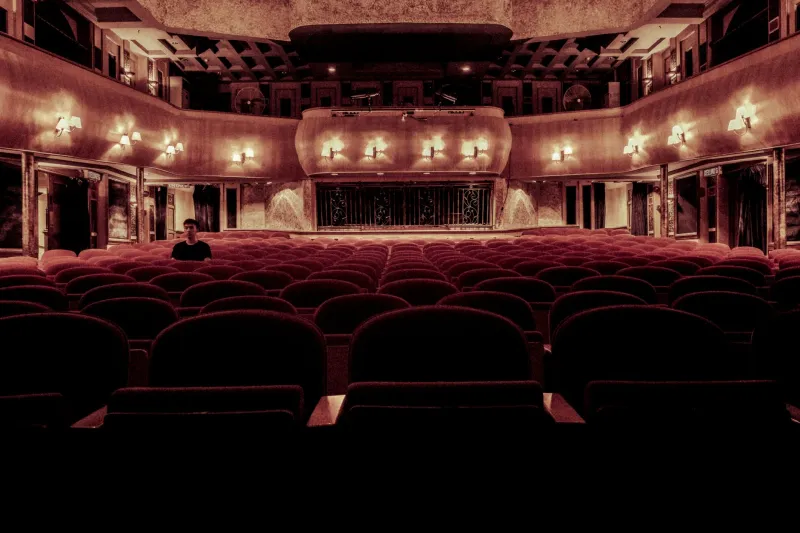
The lights come up to about forty per cent. Not the full, unflattering glare of a closing time, just enough amber to find your coat by. Somewhere near the back, a bloke says "oh, is it finished?" and his partner tells him it is not, and won't be for another ninety minutes. Around them, two hundred people shift, blink, stretch, and start talking at the volume of a pub that has just opened its doors.
This is the interval. Not a new idea — an old one, dressed up for 2026 and being tested in a handful of independent houses across the UK who have decided that the long film deserves a long breath. I have been to three of these trial screenings this autumn, and I have come away convinced of something slightly odd: the twenty minutes in the middle might be the most cinematically interesting part of the evening.
The Old Machinery of the Pause
British exhibition didn't invent the interval so much as industrialise it. In the 1930s and 40s, a night at the pictures was a whole programme — newsreel, cartoon, a B feature, the main attraction — and the break existed because the building needed it as much as the audience did. Reels had to be changed, houses had to be turned around, and the usherettes had to sell a choc ice to anyone who could be persuaded. Cinema chains like ABC and Granada built the interval into the architecture: foyers designed for milling, kiosks positioned at the exact midpoint of the corridor, ashtrays everywhere.
The multiplex quietly killed it. Platters replaced reels, projectors stopped needing a human in the room, and a three-hour film became a scheduling problem rather than an evening. By the 1990s, the interval had retreated to the rep houses and the occasional roadshow, a curiosity kept alive by people who remembered it fondly and everyone else found quaint.
Then running times got long again. The 2026 awards season is stacked with films that nudge past the three-hour mark, and audiences — particularly the ones who no longer watch anything at home without pausing it twice — have started to notice the bladder arithmetic.
What Twenty Minutes Actually Does to a Room
Here's the thing nobody tells you about an interval: it changes the film retroactively. A first half that ends on a hard cut now ends on a held note. You walk out into the corridor carrying the last shot with you, turning it over, arguing about it in the queue for the loo. Then you come back in, the lights dip, and you get the rare pleasure of a second beginning — the title card of the back half of a story you're already inside.
A programmer at a Bristol arts venue running fortnightly interval screenings put it to me more bluntly. "People come back differently," she said. "Half of them are more awake, half of them are more emotional, because they've had twenty minutes to work out that they care." She's noticed something else too: audiences talk to each other during the break. Strangers. In a British cinema. That alone feels like a small meteorological event.
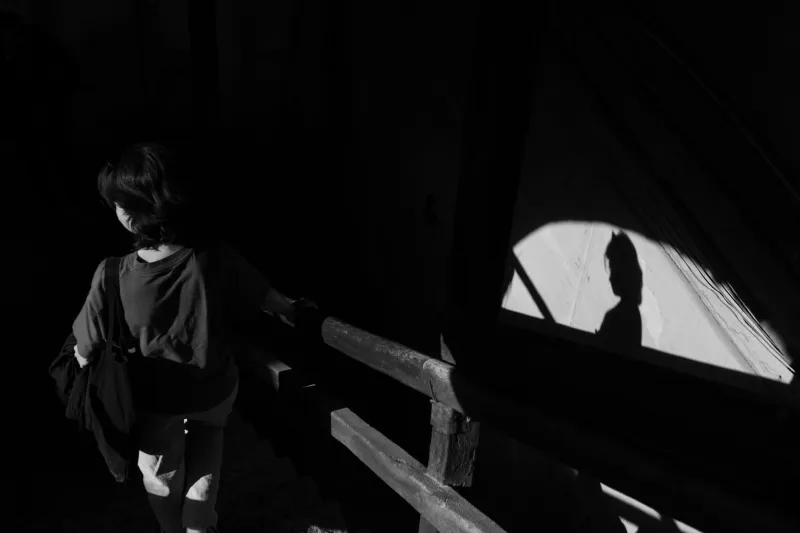
There is also the half-light itself. A fully lit auditorium is a room. A half-lit one is a place still doing its job — the shadow on the wall, the pale wash over the seats, the few people who stay put and just sit, not checking their phones, watching nothing. It's an atmosphere the building already knows how to make. It's been making it for ninety years, in the ten minutes before the trailers.
The Accounts Department Also Has Views
Let's be honest about why this is being trialled now, and it isn't only love of Bergman-era pacing. A twenty-minute gap in a full house is twenty minutes of refreshment trade at a point in the evening when nobody is sitting down. Independent venues running tight margins have noticed that a single interval can double the bar take on a long film, and the economics are persuasive enough that at least two of the sites I spoke to are considering making the break standard on anything over two hours forty.
That's not cynicism, by the way. It's how the interval survived the first time round. The pause was always a piece of showmanship bolted onto a piece of commerce, and British cinemas have never been embarrassed by the marriage. Pearl & Dean's jaunty ident existed to sell you something, and we've kept it in our affections anyway.
Platters, Cues and the Two-Reel Problem
The logistics are fussier than they look. A modern digital projection setup runs the whole feature from one file, so inserting a break means building a second playlist, or splitting the file and hoping the handover is seamless. Do it badly and you get a visible jump — a second of black and a fractional lurch in the sound that takes an audience out of the story entirely. Get the house lights wrong and you've spent twenty minutes flattening the mood you spent ninety minutes building.
One projectionist told me the trick is the fade: bring the lights up slowly, over eight or ten seconds, and bring them down the same way. "Snap them on and it's a fire drill," he said. "Ease them on and it's a curtain." He also admitted he'd had to re-time two of the trial films by hand because the natural break fell in the middle of a single unbroken take. There are some scenes you simply cannot interrupt. Part of the craft of the interval is choosing where the story can afford to lose you for a moment.
Deciding Whether to Come Back
What I keep returning to is the small, strange drama of the last two minutes of the break. The ushers hovering. The people drifting back in twos. The ones who have decided to stay in the bar and will now watch the final act through a doorway, or not at all. A room full of people sitting half in the dark, quietly choosing the film again.
That's the interval's real content, and it has nothing to do with choc ices. It's a pause in which an audience is asked, without anyone saying it out loud, whether they're still in. Most of them are. The lights dip, the chatter dies, and the second half starts with a room that has actively agreed to it — which is a different room from the one that sat down two hours ago.
If the trial runs keep selling out, 2026 might be the year the interval stops being a heritage curiosity and becomes a scheduling decision again. I hope so. Not because long films are a problem to be solved, but because a pause is a very old, very British way of being polite to a story: give it room, let it settle, and come back ready.
And if nothing else, it's twenty minutes where nobody in the building is looking at their phone — they're looking at the light on the wall, and waiting.