51st Light Home

Category

Craft

18 articles

Between the Beams: What a Rotating Lens Still Teaches a Camera

Between the Beams: What a Rotating Lens Still Teaches a Camera

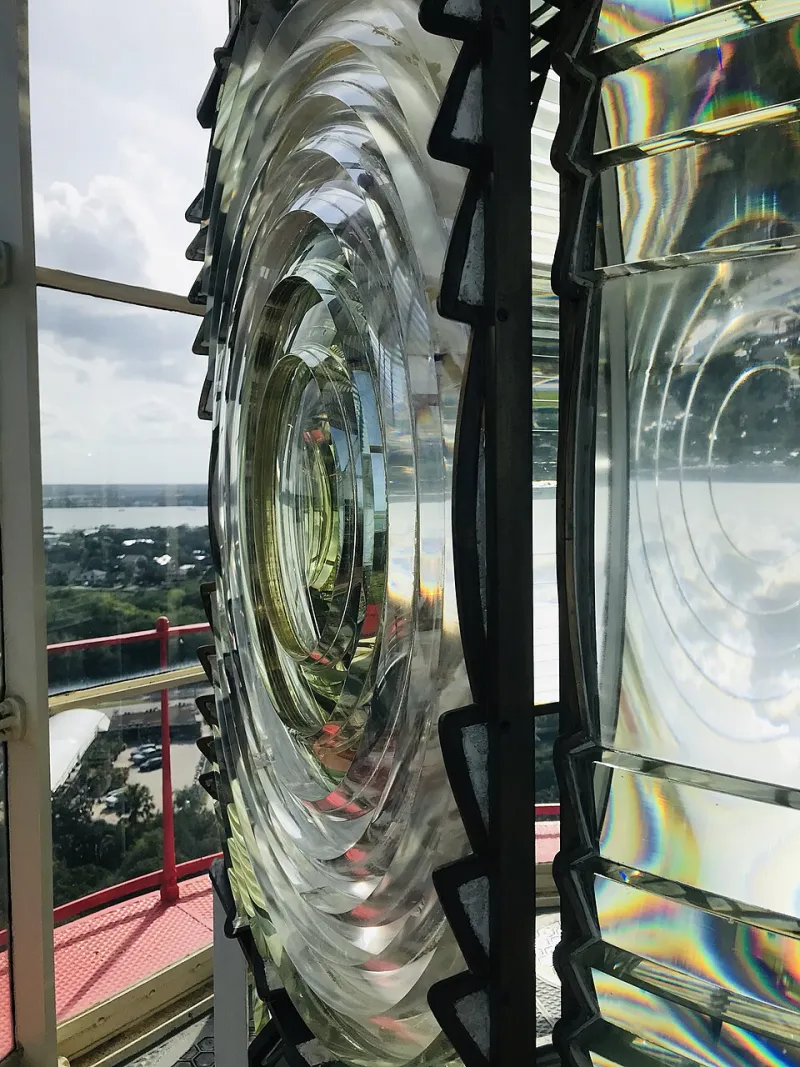
Britain’s working lighthouses are not floodlights. They are clocks made of glass, and their real gift to cinematographers is the darkness between flashes. A visit to preserved optics, and a word with the people who shoot on the coast, suggests the industry still has a lot to learn from the long wait.

Borrowed Midnight: The Art of Faking Night While the Sun Is Still Up

Borrowed Midnight: The Art of Faking Night While the Sun Is Still Up

British summer light is beautiful, stubborn and deeply unhelpful when your script calls for midnight. We look at the practical craft of day-for-night, from ND filters and exposure tricks to the low-budget features still borrowing darkness from a 10pm sunset.

The Face Above the Flame: British Cinema’s Low-Light Confessions

The Face Above the Flame: British Cinema’s Low-Light Confessions

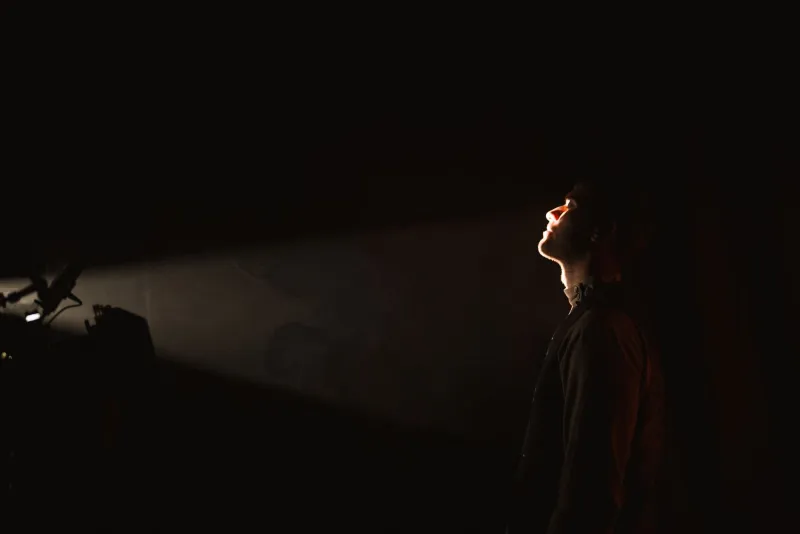
A lamp under the chin, a fire at floor level, a streetlamp through a basement grate: British films keep lighting faces from below because it makes them look guilty, exposed or dangerously powerful. This is a craft guide to the low source — and to the moment it stops being drama and becomes a ghost train.

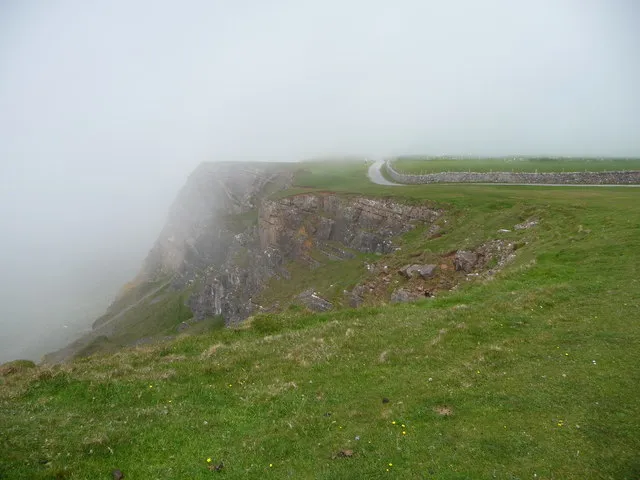
Mist Opportunity: The Quiet Craft of Lighting British Fog

Mist Opportunity: The Quiet Craft of Lighting British Fog

British fog is not just weather; it is a lighting rig the size of a county. This is how directors and gaffers use mist to soften shadows, hide horizons and make dread out of grey — and why digital de-hazing risks rubbing away a national texture.

The Veil Next Door: Net Curtains and the Art of Looking Without Being Seen

The Veil Next Door: Net Curtains and the Art of Looking Without Being Seen

A net curtain is rarely just a net curtain in British film. It is a diffuser, a disguise and a small act of surveillance — and it costs less than a decent lamp. Here is how lace, nylon and vertical blinds shape shadow on screen, plus a practical guide for filmmakers working with domestic textiles.

Keep the Kettle On: British Cinema's New Taste for Accidental Light

Keep the Kettle On: British Cinema's New Taste for Accidental Light

A fridge door left open, the blue dot on a kettle, a phone face-up on a duvet — the lights nobody rigged are showing up in British films again. In 2026, a new wave of DPs is learning that the accidental practical can do more for a scene than a van full of lamps, if you know when to leave it alone.

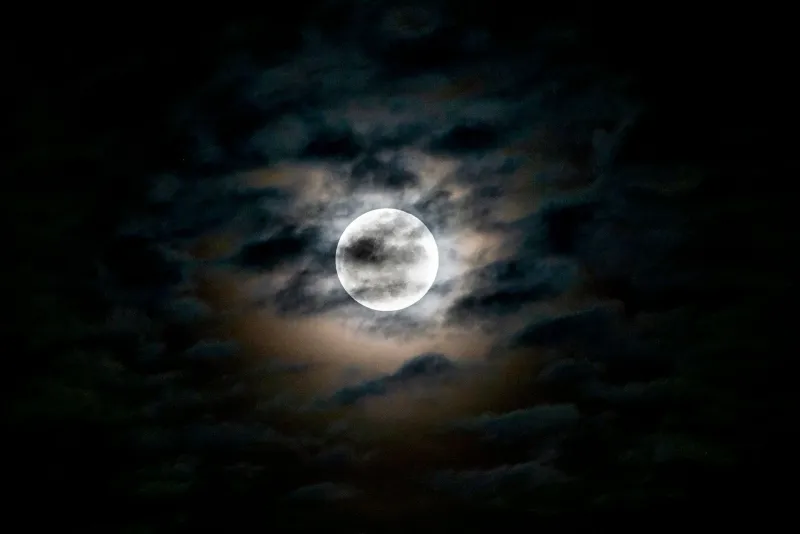
The Moon Is a Liar: Faking Lunar Light in British Cinema

The Moon Is a Liar: Faking Lunar Light in British Cinema

British cinema has always treated moonlight as more than a light source: it is a mood, a threat, a memory. We look at the practical tricks behind the country’s most haunting lunar scenes, and why the moon remains the great unreliable narrator of the British night.

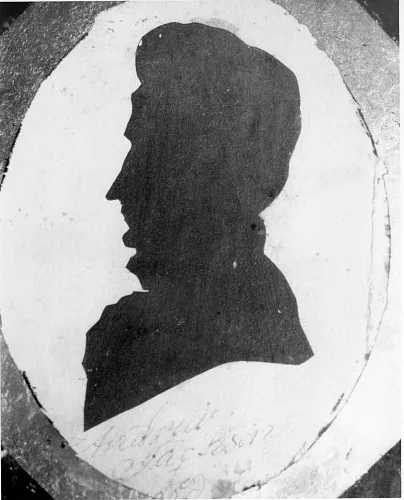
One Lamp, One Sheet of Card: Why British Animators Are Choosing the Silhouette Again

One Lamp, One Sheet of Card: Why British Animators Are Choosing the Silhouette Again

In studios from a converted mill outside Hebden Bridge to a shared bench in Bristol, a small wave of animators is cutting black card and pointing a single lamp through tracing paper. The results are turning up on UK festival programmes and in music videos — and quietly teaching live-action crews a lesson about edges, restraint and letting a shadow do the acting.

The Grey Hour: Why British Night Scenes Need Their Shadows Back

The Grey Hour: Why British Night Scenes Need Their Shadows Back

Too many British films treat night as a colour grade rather than a place. Day-for-night, flat LED fill and a fear of true black have left us with scenes that look like a wet Tuesday afternoon. In 2026, it is time to let darkness do its job.

Amber and After: What Britain's Orange Streetlights Did to the Movies

Amber and After: What Britain's Orange Streetlights Did to the Movies

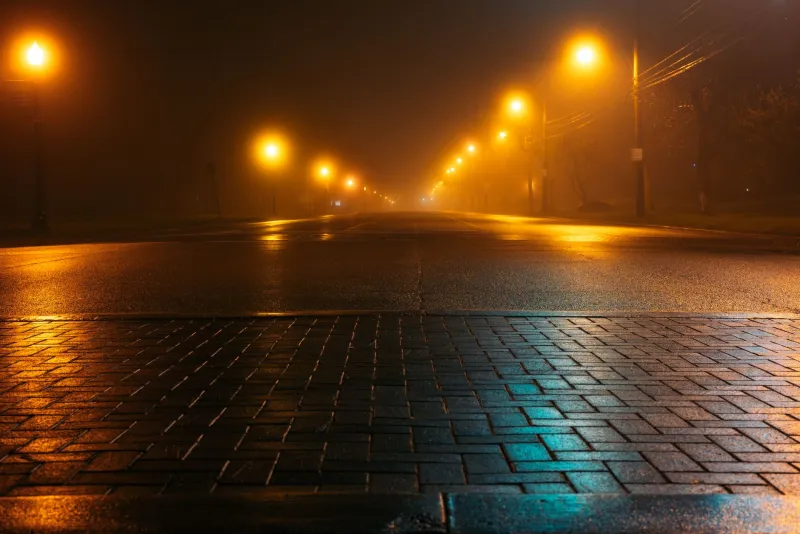
For three decades British streets after dark ran on one colour, and cinematographers built a whole grammar around it. As the last sodium-vapour lamps go dark, we look at what the amber wash gave shadow, skin and the idea of a British night — and what replaces it.

Where the Grain Lives: Inside the UK Labs Still Developing Britain's Celluloid

Where the Grain Lives: Inside the UK Labs Still Developing Britain's Celluloid

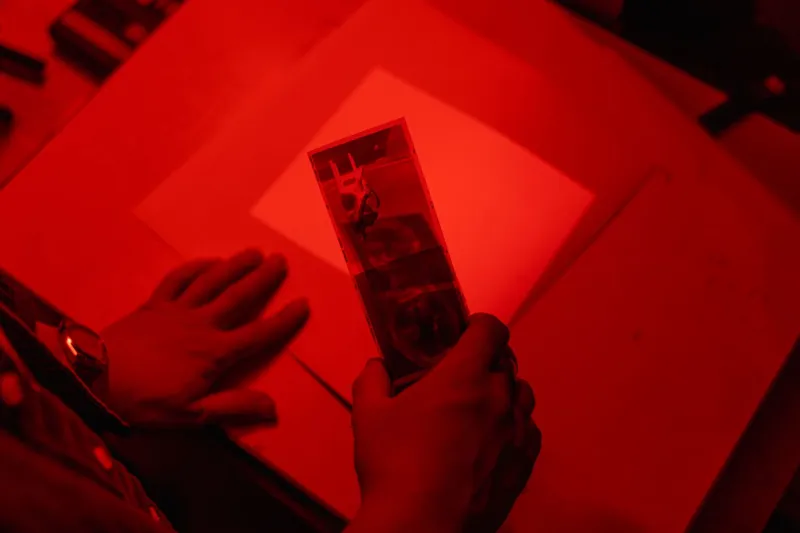
A morning in a Slough processing house tells you more about the analogue revival than any trend report. We spent time with the technicians, colourists and directors keeping 16mm and 35mm in circulation — and found an ecosystem held together by patience, chemistry and a stubborn belief in imperfect light.