Velvet, Dust and Dolby: A Defence of Britain’s Cinema Palaces in 2026
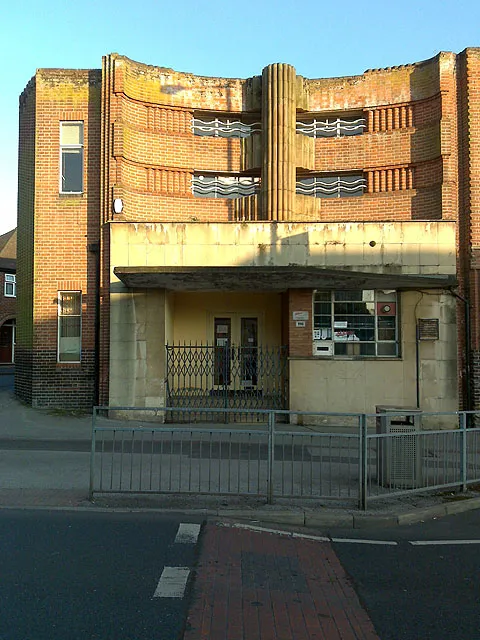
Photo: David Lally, CC BY-SA 2.0, via Wikimedia Commons
At the Plaza in Stockport, the lights go down and the ceiling does the opening credits. A phrase of plasterwork, a row of Art Deco sunbursts, a curtain that has no business being that heavy — and the film has not even started. That is the promise of a cinema palace. It makes moviegoing cinematic before the first frame.
This is not a preservation pamphlet. Britain’s surviving cinema palaces are working rooms, and in 2026 they are under pressure. Energy bills, insurance, restoration costs, the slow death of the mid-budget release: the fight is real. But the case for these buildings is not only heritage. It is atmosphere. They keep shadow and light in a way that a multiplex, however comfortable, cannot.
Why the room matters
Streaming can deliver the film. It cannot deliver the interval. It cannot deliver the moment a curtain draws back, or the hush when a hundred seats creak at once. It cannot deliver the knowledge that you are sitting in a room that has been showing moving images for nearly a century.
These venues are keepers of shadow. The auditorium is dark, but not empty. The ceiling has detail. The walls have texture. The light from the screen lands on velvet and plaster and sometimes on a Wurlitzer. That is not nostalgia. It is craft.
The shortlist: six rooms worth the journey
The Plaza, Stockport. A 1932 super cinema with an Art Deco interior that makes you gasp before the BBFC card. The auditorium is a lesson in how to make a screen feel like a stage. Go for the architecture; stay for the fact that the sound is still calibrated by people who care.
The Rex, Berkhamsted. Opened in 1938, this is the kind of cinema where the curtain feels like a character. The ceiling, the lamps, the sweep of the stalls — it is a room that understands delay. It lets the evening build.
Hyde Park Picture House, Leeds. A 1914 picture house that has been restored with restraint. It feels like a living room that happens to have a very good projector. The shadows here are soft, the seats are close, and the programming still takes risks.
Tyneside Cinema, Newcastle. A 1937 newsreel theatre turned independent cinema. The classical façade and the tucked-away screens give it a warren-like intimacy. It is the opposite of a lobby that wants to sell you a nacho tower.
The Cameo, Edinburgh. Opened in 1912, it has the confidence of a venue that has survived several versions of the film industry. The main screen is grand without being chilly. In winter, it is the best kind of shelter.
The Electric Cinema, Birmingham. Opened in 1909 and still working, it is a reminder that cinema was once a novelty and is now a ritual. The room is small, the history is huge, and the shadows feel earned.
The fight for survival in 2026
These rooms are not fine. The 2026 operating environment is brutal. Energy costs have not settled, insurance is painful, and every restoration project competes for the same pots of public and private money. Some venues are charities. Some are community-owned. Some are part of small chains that are trying to keep the lights on without turning the auditorium into a conference space.
The threat is not just closure. It is the slow erosion of programming. A cinema palace without curation is just a listed building with a projector. The venues on this list survive because someone is choosing the films, introducing the seasons and persuading audiences that a Tuesday night in February is worth leaving the house for.
A winter itinerary
Winter is the right season for this. The days are short, the streets are dark, and a matinee feels like a small act of defiance.
Weekend one: Stockport and Manchester. Start with an afternoon at the Plaza, then eat too much in the Northern Quarter. Let the first cinema set the tone.
Weekend two: Leeds. Book the Hyde Park Picture House for a late-afternoon screening. Walk back through the dark, arguing about the film. That is the whole point.
Weekend three: Newcastle and Edinburgh. Take the train north. Do the Tyneside on Friday, the Cameo on Saturday. Two very different rooms, same commitment to shadow.
Weekend four: Birmingham. Finish at the Electric. It is the oldest working cinema in the country, and it still feels like a secret.
Buy a ticket. Sit near the back. Let the room do the first ten minutes. The film will catch up.
